


How To Ensure Fire Pit Safety Outdoors
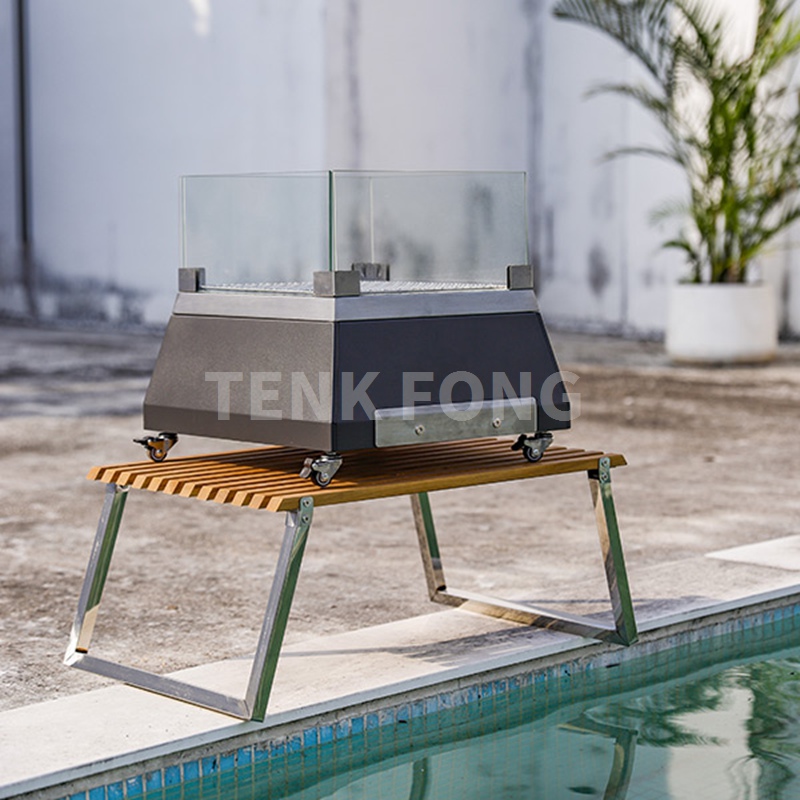
Safe fire pit use begins before the first flame is lit. Outdoor heating products create atmosphere for gardens, patios, hotel terraces, restaurant courtyards, and leisure spaces, but poor placement, weak structure, unstable fuel control, or careless maintenance can turn a comfortable feature into a safety risk. For TENKFONG, fire pit safety is not only about appearance. It comes from material selection, stable construction, controlled combustion space, and practical outdoor design.
Plan The Location Before Installation
The first safety step is choosing the right location. An outdoor fire pit should be placed on a stable, non-combustible surface with enough distance from walls, plants, fabric shade covers, wooden decks, and outdoor furniture. Wind direction also matters because sparks, smoke, and heat can move toward guests or nearby materials.
The National Fire Protection Association advises keeping outdoor flame equipment away from deck railings, eaves, and overhanging branches. Local fire codes may also set clearance rules for open flames, especially in public or semi-public outdoor areas. For larger projects, layout approval should be checked before bulk installation.
| Placement Factor | Safety Risk | Practical Control |
|---|---|---|
| Nearby furniture | Fabric ignition | Keep seating outside heat zone |
| Overhead cover | Heat accumulation | Avoid low roofs or canopies |
| Ground surface | Tipping or heat damage | Use stone, concrete, or tile |
| Wind exposure | Spark movement | Position away from strong drafts |
| Guest traffic | Contact burns | Keep clear walking space |
Choose Strong And Heat-Resistant Materials
Material quality directly affects long-term safety. Thin metal, weak welding, poor coating, or low-grade glass may fail after repeated heating and cooling. TENKFONG focuses on durable metal structures, stable surface treatment, and practical outdoor finishes to help fire pits resist weather exposure and heat cycles.
A Heavy Duty Backyard Fire Pit should have a strong base, balanced weight, and reliable burner or bowl structure. For outdoor use, stainless steel, coated steel, and high-temperature resistant components are often selected according to the design. The surface should resist deformation, peeling, and corrosion because damaged surfaces can trap moisture and weaken the product over time.
Control Flame Size And Fuel Use
Flame size should match the fire pit structure. Overfilling with fuel, using the wrong fuel type, or adding flammable liquid can create sudden flare-ups. Gas models need stable valves and secure connections. Wood-burning models need enough combustion space and proper ash control.
The U.S. Fire Administration notes that heating and open flame equipment should always be used with attention to ventilation, clearance, and supervision. This applies strongly to outdoor leisure equipment, where users may gather close to the flame for long periods.
| Fuel Type | Main Safety Focus | Maintenance Point |
|---|---|---|
| Gas fire pit | Leak prevention | Check hose and valve condition |
| Wood fire pit | Spark control | Remove ash after full cooling |
| Charcoal fire pit | Heat retention | Dispose of embers carefully |
| Gel fuel model | Spill control | Use only approved fuel cups |
| Tabletop model | Stability | Keep away from table edges |
Pay Attention To Glass And Decorative Parts
Some outdoor fire pit designs use glass shields, glass beads, or decorative panels. These parts improve appearance, but they must be suitable for high-temperature use. Ordinary glass can crack under heat stress, while poor-quality decorative stones may pop when moisture expands inside them.
For a tabletop glass fire pit, stability is especially important. The base should sit flat, the glass should be heat-resistant, and the flame should remain controlled. This type of product is often used in compact terraces, garden tables, and leisure seating areas, so anti-tipping design and clear user instructions are essential.
TENKFONG reviews decorative structure and product balance during design so the product can support both visual appeal and safe use.
Make Maintenance Part Of Safety
Outdoor fire pits should be checked regularly, especially after rain, heavy use, or long storage. Moisture, ash, dust, insects, and leaves can affect ignition and combustion. Gas connections should be inspected before use. Ash should be removed only after it is fully cool. Protective covers should be used when the product is not operating.
For commercial spaces or shared outdoor areas, maintenance responsibility should be assigned clearly. Staff should know how to shut off gas, clean the product, remove debris, and keep guests at a safe distance. This reduces accident risk and keeps the product looking professional.
Consider Bulk Project Requirements
A Commercial Fire Pit Buyer usually cares about more than one sample product. Large orders require consistent dimensions, stable finishes, protective packaging, and clear installation guidance. If one unit performs well but the batch varies in structure, color, or assembly quality, the final project can face safety and maintenance problems.
TENKFONG supports project supply through stable production control, practical packaging protection, and model consistency. This helps outdoor spaces maintain the same safety standard across multiple patios, villas, dining zones, and leisure areas.
Final Thoughts
Fire pit safety outdoors depends on location, material strength, fuel control, glass quality, maintenance, and consistent production. TENKFONG develops outdoor fire pit products with durable construction, practical design, and project-ready supply capability, helping outdoor spaces create warm gathering areas while reducing avoidable safety risks.