


How To Clean Stainless Steel Outdoor Grill?
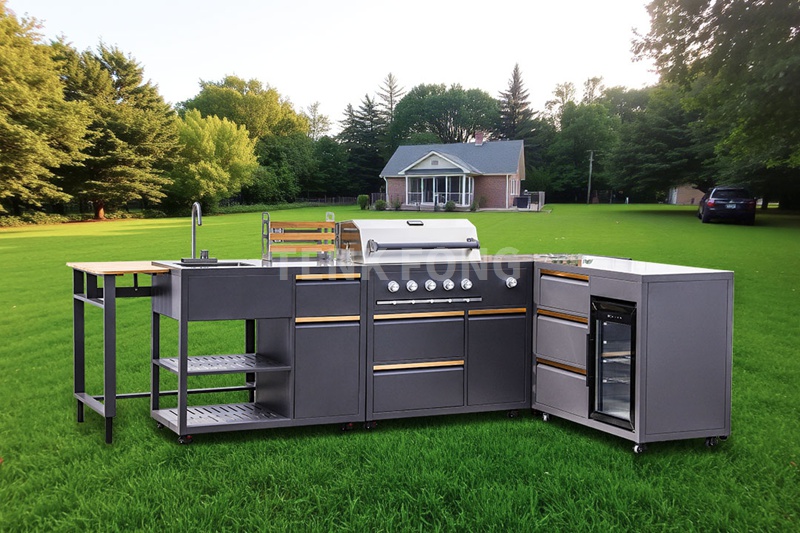
Cleaning a stainless steel outdoor grill is not only about keeping the surface bright. Regular cleaning protects cooking performance, reduces corrosion risk, improves hygiene, and extends the service life of the whole outdoor cooking area. For hotels, resorts, restaurants, villa projects, and outdoor leisure spaces, a clean grill also supports a better user experience and lowers daily maintenance pressure.
TENKFONG designs Outdoor Kitchen products for long-term outdoor use, so cleaning should be planned as part of normal operation. Whether the unit is a standalone Stainless Steel Grill or part of a complete outdoor kitchen layout, correct cleaning methods can help the surface remain stable under heat, moisture, grease, and changing weather.
Clean After Heat Drops, Not After Grease Hardens
The best cleaning time is after cooking, when the grill has cooled to a safe warm temperature. Grease is easier to remove before it fully hardens. Waiting too long allows oil, sauce, salt, and carbon residue to stick to the surface, making cleaning more difficult and increasing the chance of surface staining.
Use a soft cloth, warm water, and mild detergent for daily cleaning. Avoid strong chlorine-based cleaners because stainless steel can be damaged by chloride residue. The British Stainless Steel Association notes that chloride exposure is one of the common causes of surface corrosion on stainless steel, especially in outdoor or coastal environments.
Follow The Grain Direction
Most stainless steel outdoor grills use a brushed surface. Cleaning should follow the grain direction instead of rubbing in circles. This helps reduce visible scratches and keeps the finish more uniform. For heavy grease, apply a mild cleaner first, let it soften the residue, and then wipe gently.
Steel wool, hard scrapers, and abrasive pads should be avoided. They may remove surface protection or leave iron particles that later create rust-like stains. For a TENKFONG outdoor barbecue gas grill, using non-abrasive cleaning tools helps protect both the visual finish and the long-term outdoor durability.
Separate Cooking Parts From Cabinet Surfaces
A grill has different cleaning zones. Cooking grates, drip trays, burners, side panels, handles, and storage cabinets should not be cleaned in exactly the same way. Grease-heavy parts need deeper cleaning, while exterior panels need gentler surface care.
| Grill Area | Cleaning Focus | Recommended Method |
|---|---|---|
| Cooking grate | Food residue | Warm water and grill brush |
| Drip tray | Grease buildup | Remove and wash regularly |
| Burner area | Blockage control | Wipe carefully after cooling |
| Cabinet surface | Fingerprints and dust | Soft cloth with mild detergent |
| Handles | Oil and touch marks | Daily quick wipe |
This separation keeps maintenance efficient and prevents damage caused by using the wrong cleaning tool on the wrong part.
Prevent Rust-Like Stains Early
Stainless steel is corrosion-resistant, but it is not maintenance-free. Outdoor kitchens face rain, salt air, dust, cleaning chemicals, and high heat. Small stains should be cleaned early before they spread. After washing, dry the surface with a clean cloth because standing water can leave mineral marks.
For coastal projects or high-humidity areas, cleaning frequency should be higher. ASTM International test methods for corrosion and salt spray are widely used to evaluate metal surface resistance, and many outdoor metal products use salt spray testing as a reference for durability. In actual use, regular cleaning remains essential even when the material has good corrosion resistance.
Maintain The Whole Outdoor Kitchen Layout
For a Modular outdoor kitchen island, cleaning should not stop at the grill. Countertops, cabinet gaps, sink areas, side burners, and storage spaces all collect oil, water, and dust. Food preparation areas need daily wiping, while lower cabinets should be checked for moisture and insects.
TENKFONG outdoor kitchen designs focus on modular structure, practical storage, and easy cleaning access. Smooth panels, organized cabinet layouts, and durable stainless steel surfaces help reduce daily cleaning time for commercial outdoor spaces and high-use residential projects.
Set A Cleaning Schedule For Large Projects
For large outdoor kitchen installations, cleaning should be standardized. A simple schedule can reduce staff errors and keep every unit in similar condition. Daily cleaning should cover visible oil and food residue. Weekly cleaning should include drip trays, cabinet gaps, and burner checks. Monthly cleaning should review fasteners, surface stains, and drainage areas.
This is especially important when working with a Bulk Outdoor Kitchen Supplier, because multiple units may be used across different terraces, poolside zones, restaurant patios, or resort villas. Consistent maintenance keeps the overall project image stable and reduces unexpected repair needs.
Final Thoughts
Cleaning a stainless steel outdoor grill correctly helps protect hygiene, appearance, and long-term performance. Warm water, mild detergent, soft cloths, grain-direction wiping, and regular drying are simple but effective steps. TENKFONG supports outdoor cooking projects with durable stainless steel structures, modular kitchen designs, and practical details that make daily maintenance easier for demanding outdoor environments.